

Cost-Effective Solutions for Typical Home Repairs
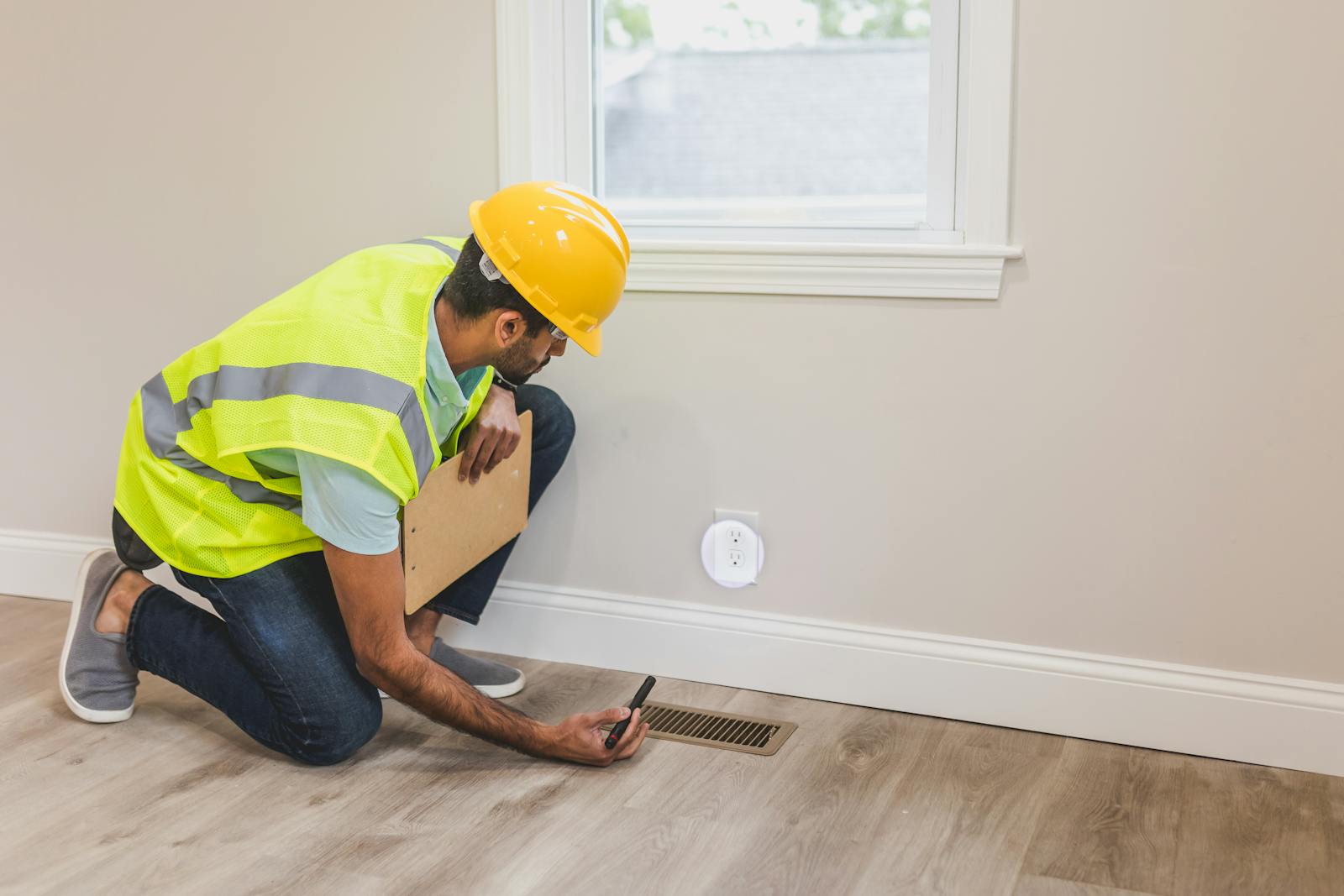
Photo by RDNE Stock project on Pexels
Homeownership brings a blend of excitement and challenges. Periodic maintenance and repairs become important as properties age and wear. These tasks can often seem daunting due to perceived costs. Identifying cost-effective solutions can ease this burden while ensuring your home remains in good condition. Understanding how to approach typical home repairs can save homeowners money while preserving property value.
Understanding Your Repair Needs
How well you understand your home’s needs can significantly influence costs. Regular inspections help identify potential issues before they become severe problems. Minor leaks can escalate into significant water damage if left unchecked. Homeowners should keep an eye out for cracking paint, sagging roofs, or damp areas, which often indicate underlying issues.
Researching materials and the scope of your needed repairs can provide a clearer budget. Materials that are both durable and affordable often exist for most common repairs. Consulting with professionals can provide insights into the best products and methods tailored to your situation. Educating yourself about common repair solutions can empower you to make informed choices.
Roof Repair and Maintenance
A well-maintained roof protects your entire home from the elements. Roof repair and maintenance costs can vary significantly with materials, age, and extent of damage. Homeowners should regularly inspect their roofs, focusing on missing shingles, cracked tiles, or signs of leakage. Frequent assessments can prevent costly repairs down the line. A simple patch or maintenance can extend the life of your roof considerably. Regular cleaning of gutters plays a crucial role in roof preservation by preventing water build-up.
When facing extensive repairs, it’s wise to seek a reputable roofing contractor. Engaging with trusted local roof experts when dealing with roofing issues can yield guidance on sustainable practices and materials. Costs can be mitigated by shopping and comparing estimates from multiple professionals. A warranty or guarantee on materials and labor can provide peace of mind, further enhancing savings.
Plumbing Issues and Solutions
Plumbing problems are common in households and can lead to substantial expenses if not addressed promptly. Clogged drains, leaking faucets, and running toilets are frequent issues that can generally be handled without professional help. Regular maintenance, such as flushing drainage systems, can help prevent clogs and backups.
For persistent problems, homeowners can consider rerouting pipes or changing fixtures for efficiency. During plumbing renovations, investing in parts rated for longevity will save on replacement costs. It’s important to avoid quick fixes that might need repeating, driving up cumulative spending. If a problem persists, hiring a trusted plumber can be invaluable. During this process, compare quotes, and assess the plumber’s reputation. Good professionals will often provide valuable advice, potentially saving you money in the long run.
Electrical Repairs and Upgrades
Another area homeowners may encounter is electrical repair and upgrades. Outdated or faulty electrical systems can pose hazards and increase energy costs. Understanding the signs of electrical issues, like flickering lights or frequently tripped breakers, can help you prioritize repairs. Investing in energy-efficient appliances and fixtures can reduce consumption and promote cost savings.
Utilizing services of a licensed electrician is highly recommended for significant electrical work to ensure safety. Although the initial investment may seem high, energy savings will accumulate. Homeowners should look for grants or incentives for upgrading electrical systems. Some local utilities provide rebates for installing energy-efficient lighting, creating an opportunity for financial benefit.
HVAC Repairs and Maintenance
Heating, ventilation, and air conditioning (HVAC) systems are important for comfort but can represent significant costs in power bills and maintenance. Regularly changing filters, cleaning ducts, and scheduling inspections can keep systems running efficiently. These preventive measures can extend the lifespan of your HVAC system and mitigate emergency costs associated with breakdowns.
Upgrading to energy-efficient units might involve a significant upfront cost, but current incentives often help offset the expense. Efficient systems lead to lower monthly bills, making them a cost-effective long-term solution. Consider seeking a maintenance program with a professional that provides discounts for regular check-ups. These partnerships enhance system efficiency and minimize unexpected costs.
Window and Door Replacements
Old windows and doors can compromise energy efficiency and contribute to higher utility costs. Replacement can be costly, but many options can reduce expenses. Opting for energy-efficient windows can decrease heating and cooling costs, resulting in long-term savings.
In some cases, simply resealing windows can be a more cost-effective approach, providing immediate benefits without complete replacement. Homeowners may look for tax credits or rebates associated with energy-efficient upgrades. Consulting experts can help identify the best solutions tailored to your home’s style and budget while ensuring quality installation.

Photo by Cal David on Pexels
Home repairs can feel overwhelming, particularly regarding costs. Understanding the typical repairs needed, knowing your options, and seeking advice can help you navigate this process. Whether tackling roofing issues, plumbing repairs, or electrical upgrades, taking action sooner rather than later is always beneficial. The key lies in balancing cost with quality solutions while considering your unique home needs. Keeping your home in top shape doesn’t have to drain your budget, provided you approach repairs wisely and strategically.







Leave a Reply
You must be logged in to post a comment.