
Why Unified Security Matters for Arts Venues
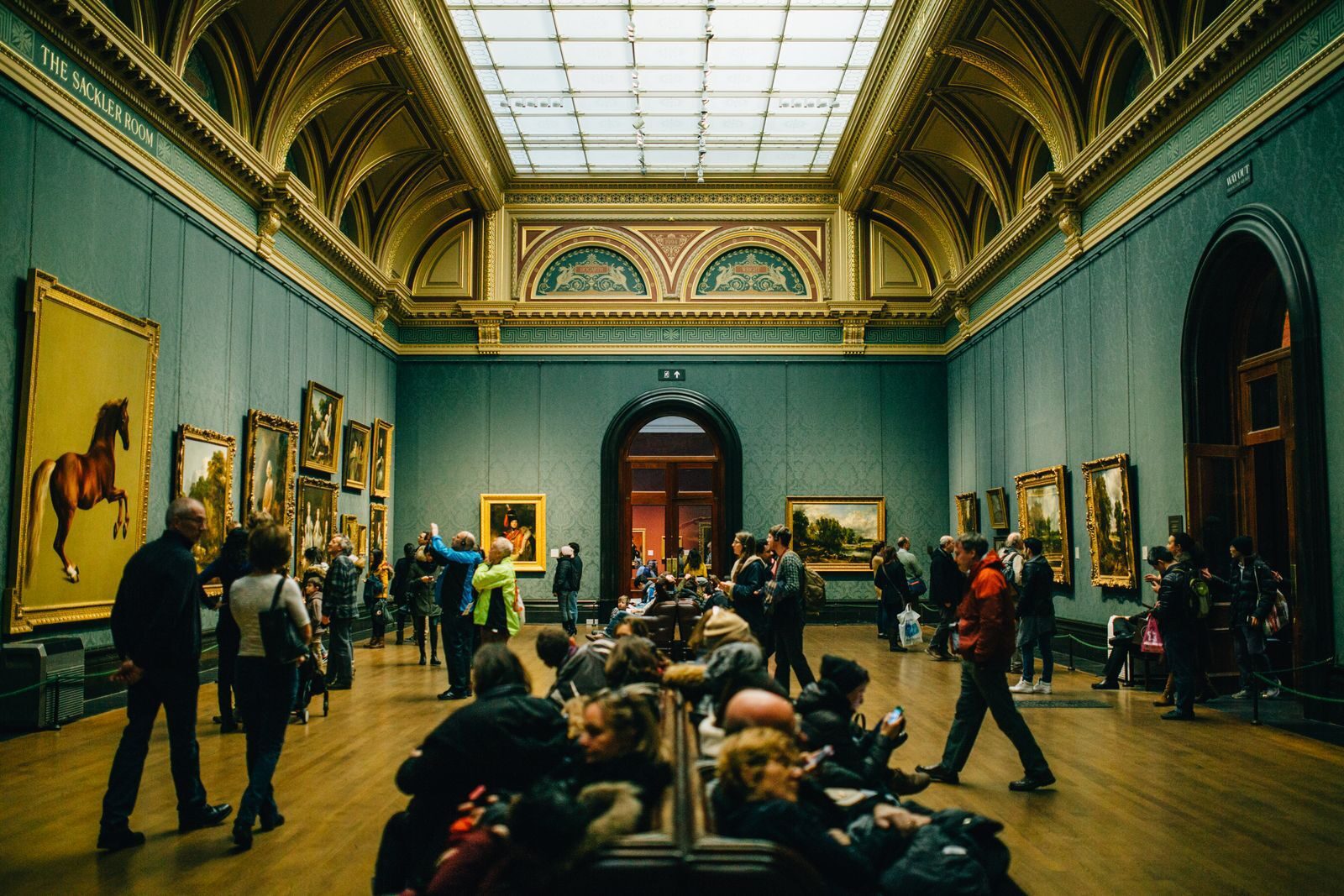
Arts venues need security systems that protect valuable collections and busy public spaces without disrupting the visitor experience. Museums, galleries, theaters and cultural centers may host school groups in the morning, contractors in the afternoon and a packed performance at night.
Each shift changes who needs access and which areas require attention. A unified approach gives staff one clear view of activity across entrances, exhibition rooms and restricted spaces, helping them respond quickly while keeping the building welcoming.
Unique Challenges for Arts Spaces
Arts spaces rarely follow a standard business schedule. Exhibition installations may happen before opening, performers often arrive through separate entrances, and special events can change normal traffic patterns. Historic buildings introduce further complications because thick walls, unusual layouts and preservation requirements may limit where equipment can be placed.
An effective plan starts with a site review during several operating periods. Walk through opening, closing and event changeovers to identify blind spots and confusing access points. The cultural property security report highlights the value of treating security as an organization-wide responsibility. Front-of-house employees, facilities teams and event managers should understand reporting procedures and know who takes charge when an alert appears.
Protecting Collections and Patrons
Collection protection begins with accurate records. Photograph each object, document its location and condition and update the record whenever it moves. The guidance on protecting campus art collections also emphasizes identification and valuation, which can support insurance reviews and recovery efforts after an incident.
Technology should connect those records with daily operations. A video management system can give authorized teams centralized and remote monitoring while supporting incident response and later review. If a display sensor or access event triggers an alert, staff can check the relevant camera view and decide what action is needed. Clear response procedures matter too. Assign roles for contacting emergency services, directing visitors and preserving records so employees aren’t improvising under pressure.
Seamless Access and Monitoring
Access permissions should match actual duties and schedules. A visiting technician might need backstage access for four hours, while a registrar may require ongoing entry to collection storage. Time-limited credentials reduce the chance that old cards or codes remain active after a project ends.
Connect access events with video so staff can review the correct area without searching through several unrelated systems. This is especially useful at loading areas, staff entrances and doors shared by multiple departments. Venues should also review permissions monthly and immediately after staffing changes.
Test alerts during quiet periods, confirm cameras show useful angles, and check that timestamps match across systems. These routine checks can reveal expired credentials, blocked views or notification errors before a busy opening night puts extra pressure on the team.
Discreet Security for Public Enjoyment
Visitors should be able to focus on a painting, performance or community program without feeling crowded by security measures. Careful placement helps. Cameras can cover entrances and key circulation routes while fitting the architecture, and access readers can sit near staff doors without dominating public areas. Signs should clearly explain restricted zones and any monitoring practices in plain language.
Employee behavior shapes the atmosphere as much as equipment does. Train ushers and gallery staff to greet guests, notice unusual activity and report concerns without confrontation. During large events, position employees where they can answer questions while keeping exits and aisles clear. Review each event afterwards, including delayed admissions, false alerts and areas where crowds formed. Those details help the venue refine staffing and monitoring while preserving the sense of openness that brings people back.