
Why Familiar Melodies Resonate Deeply Across Generations
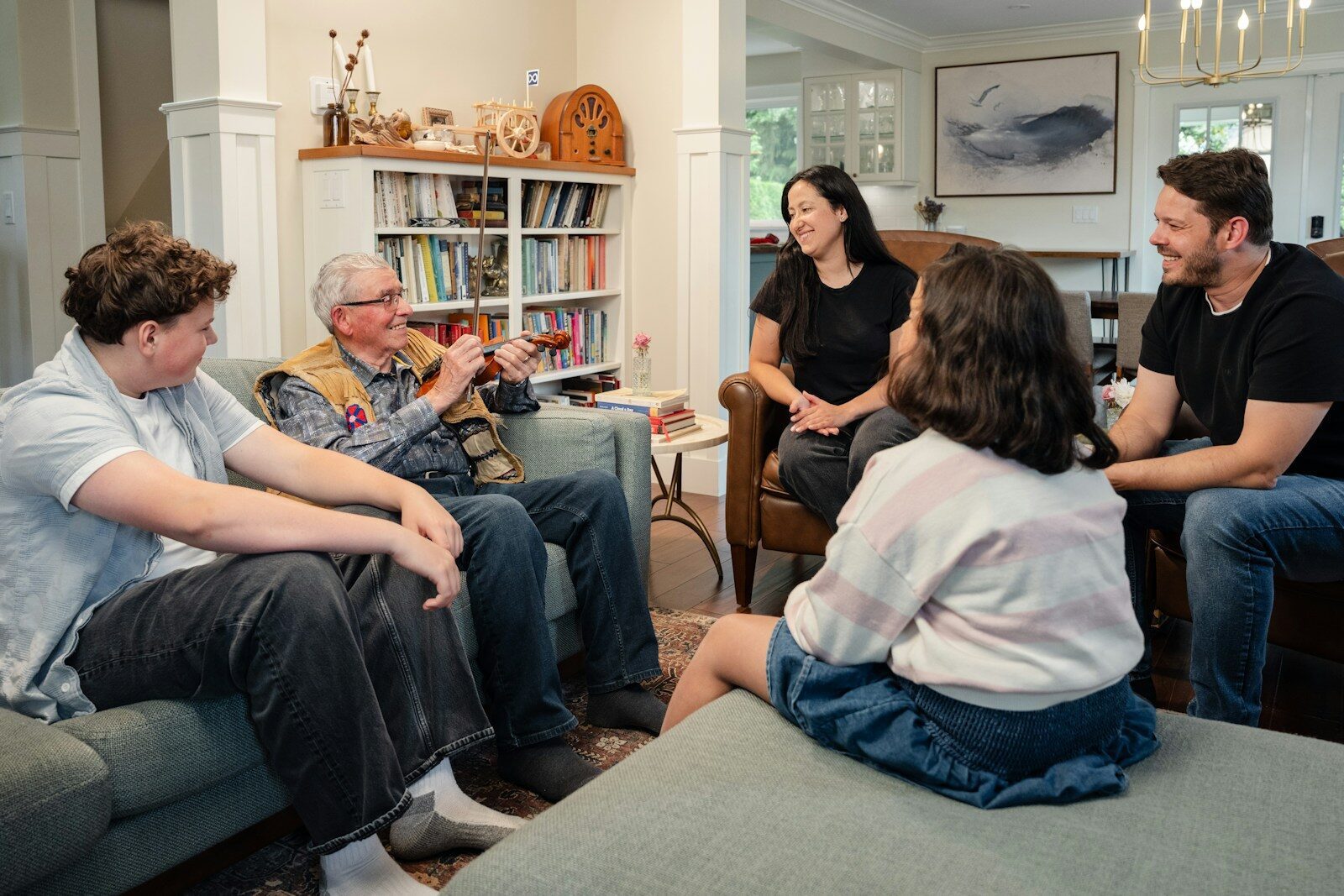
A familiar song can bring back the details of another time with surprising clarity. A few opening notes may recall a school dance, a family road trip, or a quiet afternoon at home. Music has this effect across ages because the brain connects melody with emotion, movement, and personal experience. Those connections can support conversation, strengthen family bonds, and provide comfort for older adults, including people experiencing memory changes.
The Science Behind Rhythmic Recall
Music engages several parts of the brain at once. Rhythm involves motor systems, melody draws on auditory processing, and lyrics activate language networks. Emotional responses add another layer, which helps explain why a song can remain recognizable long after other details become difficult to retrieve.
An overview of music in the brain describes how listening can involve areas tied to movement, memory, and emotion. Repetition also matters. A person who heard the same song dozens of times during adolescence may have built a strong network of associations around it. Hearing that melody years later can bring back a person’s voice, a specific room, or even the feeling of a particular season.
Songs That Bridge Generational Gaps
Shared listening gives family members an easy starting point for conversation. Grandparents can explain why a performer mattered during their youth, while grandchildren can share newer versions, covers, or songs with similar rhythms. These exchanges turn musical preferences into personal stories.
Music can also connect people through community events and performances. A look at how music shaped the Quad Cities arts scene illustrates how shared cultural experiences can bring people together.
Music also offers common ground when relatives have different interests. As this discussion of music across generations explains, songs can encourage curiosity between age groups. Invite family members to take turns choosing songs, share the stories behind their favorites, and explore how musical tastes have changed over time. These simple exchanges can help relatives discover common ground, even when they grew up listening to very different music.
Incorporating Music into Memory Care
Start with the person’s own history. Ask relatives about songs played at home, favorite performers, faith traditions, cultural celebrations, and music from young adulthood. Photos, old records, and previous playlists can offer useful clues when the person can’t easily name a favorite.
When exploring senior living options, families can ask how communities incorporate familiar music into residents’ daily routines. A community offering Memory Care may be worth considering if a loved one benefits from familiar recordings, group singing, or structured activities. Ask how staff adapt musical activities to individual preferences and responses.
Pay close attention to their response. Smiling, tapping a foot or singing along may signal recognition and enjoyment. Restlessness, a tense expression, or attempts to leave suggest that the volume, tempo, or selection should change. Keep listening sessions brief at first, perhaps 15 to 20 minutes.
Music can also support familiar routines. A calm instrumental piece may ease the transition into bedtime, while an upbeat favorite can encourage movement during the morning. Since responses vary from day to day, caregivers should treat each session as an invitation, never an obligation.
Simple Playlists for Daily Comfort
Organize playlists by purpose, so caregivers and relatives can quickly choose suitable music. A morning list might include five lively songs, while an evening list could feature slower recordings with predictable melodies. Keep the volume comfortable and limit shuffle mode, since sudden changes in style can feel disruptive.
Include original recordings whenever possible. The exact singer, arrangement, and tempo often carry the strongest memories. Label playlists clearly with names such as “Sunday Mornings,” “Songs From School,” or “Relaxing After Dinner.” Update them when a song produces a warm response or seems unwelcome.
One small detail can make these collections even more meaningful: record the story behind each selection. A note such as “played during family vacations” gives future caregivers a conversation prompt and preserves context. The playlist then becomes more than background sound. It holds a personal history that family members can continue sharing, one familiar melody at a time.