
What Rings Made From Fossils and Aerospace Metal Mean to Buyers
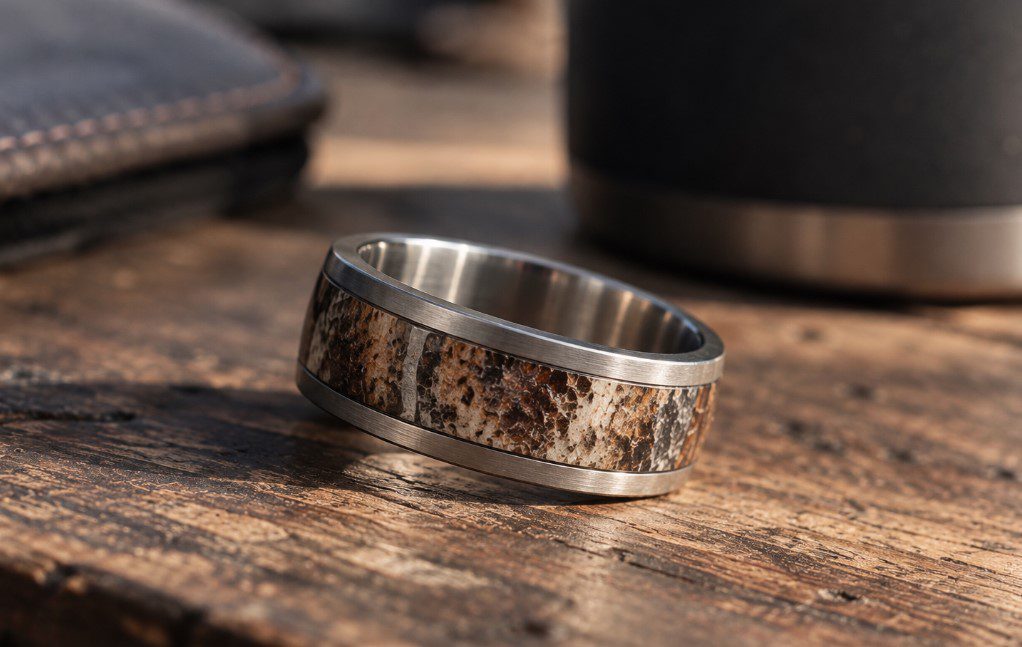
Rings made with fossil material, meteorite, or aerospace metal give buyers a chance to choose meaning as well as appearance. These materials connect a wedding band with deep time, space, engineering, or military history. They also affect how a buyer evaluates texture, durability, care, and proof of origin. The right purchase starts with the story a ring should carry, then considers whether its construction suits daily wear. Each material category communicates something different.
A buyer comparing unusual wedding bands should separate the material’s story from the ring’s visible design. Men’s rings made from dinosaur fossils, meterorites and fighter jets describes rings built around dinosaur fossils, meteorites, and fighter-jet materials. That combination appeals to someone who prefers history and engineering over conventional precious-metal symbolism. It suits a buyer who wants a conversation piece with a clear origin and personal meaning.
Fossils Connect Buyers With Deep Time
Fossil material gives a ring a direct connection to prehistoric life. Fossilized dinosaur bone formed as minerals replaced parts of ancient bone over geological time. That process creates natural variation within the material.
The variation affects the ring’s appearance. A fossil inlay can show irregular patterns, muted earth tones, and small differences between pieces. Buyers should expect those details instead of looking for a perfectly uniform surface.
The meaning is easy to understand. A fossil ring suits someone interested in natural history, paleontology, or the idea that a daily object can carry evidence from millions of years ago.
Meteorite Signals Rarity And Exploration
Meteorite rings appeal to buyers who want material that originated beyond Earth. That origin connects a wedding band with astronomy, space travel, and physical exploration.
Meteorite surfaces often develop distinctive patterns after cutting and finishing. Each section can look different, giving the ring a less standardized appearance than a plain metal band.
The construction around the meteorite deserves close inspection. The inlay, surrounding metal, and finish affect comfort and care more than the material’s story alone. An unusual material still needs a setting suited to regular wear.
Aerospace Metal Suggests Engineering
Aerospace metal carries a different message. It points to aircraft, technical work, precision, and service rather than prehistoric life or outer space.
The term “aerospace metal” does not refer to a single universal alloy. Buyers should check the actual material, its surface treatment, and its position within the band before treating that phrase as a specification.
This distinction prevents vague symbolism from shaping the purchase. A ring can honor aviation through its design, reclaimed material, or military connection. The product description should explain which element creates that association.
Match The Story To Daily Wear
A ring’s meaning matters most when it suits the buyer’s routine. Someone who works with tools, lifts weights, or spends time outdoors should assess the band’s hardness, finish, and care requirements.
Unusual materials often require different handling than solid gold or platinum. Buyers should check whether the ring tolerates moisture, impacts, chemicals, and repeated contact with hard surfaces.
Fit deserves attention as well. A textured inlay or raised detail can change how the band feels beside another ring. Accurate sizing before purchase reduces discomfort and avoids unnecessary exchanges.
Ask For Material And Care Details
Buyers should ask four direct questions before ordering.
- What material forms the visible inlay?
- How does that material sit within the band?
- Which activities require removal?
- What care keeps the finish intact?
A clear product description should distinguish the ring’s base metal from its decorative material. It should also explain whether the pattern comes from the material itself or from a printed, etched, or treated surface.
Documentation matters because the material story contributes to the ring’s personal value. A buyer seeking dinosaur bone should confirm that the listing identifies fossilized material. Someone choosing a meteorite should look for an equally clear description.
Conclusion
A fossil ring speaks to deep time, a meteorite band points beyond Earth, and an aerospace-inspired design recalls technical achievement or service. Buyers should choose the story first, then verify the material, construction, finish, and care requirements. Next, compare product descriptions line by line, especially the base metal and inlay details. That review turns an unusual wedding band into a considered purchase based on meaning, quality, and daily practicality.