
What Are Prediction Markets, and Why Is Everyone in the Quad Cities Fantasy League Group Chat Suddenly Talking About Them?
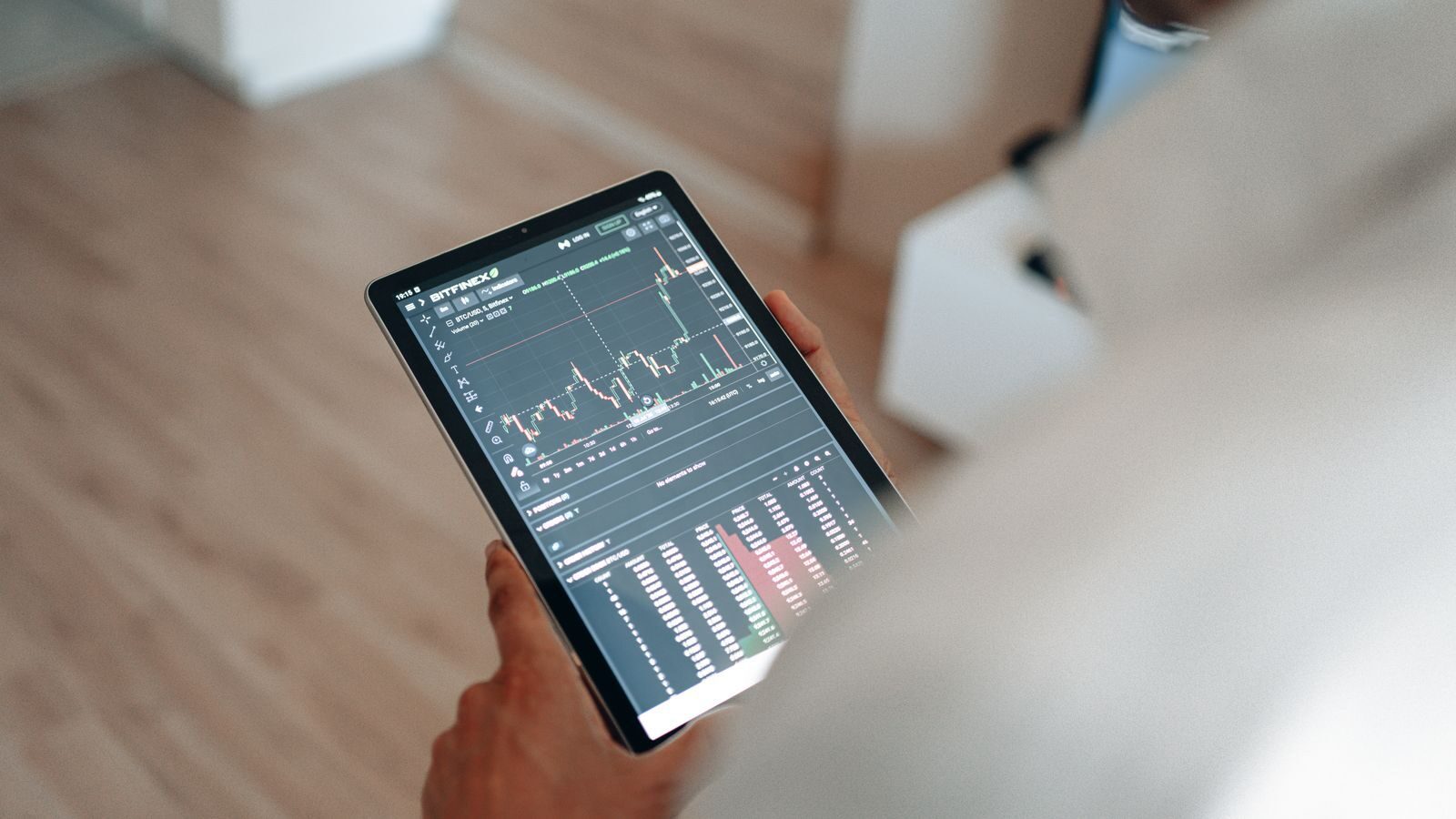
We have all heard about sports betting. People place wagers on football, basketball, baseball, and other events, usually backing a team or outcome and waiting for the final score.
Prediction markets are different because they cover events such as elections, Oscar winners, and more. Thanks to guides where it is possible to read more about prediction markets, more people are starting to see why these platforms have become a serious topic in group chats that used to focus only on waivers, trades, and weekly matchups.
That shift makes sense. A fantasy league group already runs on forecasts. Managers debate injuries, coaching changes, weather, usage rates, and playoff odds every week.
Prediction markets take that same instinct and turn it into a structured market where participants buy and sell positions on future events as prices move. Once people see that connection, the conversation changes fast.
Prediction Markets Turn Opinions into Prices
A prediction market is a marketplace built around future outcomes. Instead of simply stating an opinion, participants trade contracts tied to a specific question.
That question might be whether a candidate will win an election, whether inflation will stay above a target, or whether a company will approve a merger by a certain date. The market price reflects what participants, collectively, think is likely.
Unlike a static poll or a casual debate, a market updates continuously. New information changes behavior, and behavior changes price. If a key player is ruled out before a major game, or if a regulator signals approval for a major deal, participants react immediately. The market absorbs those views in real time, making it a useful live measure of sentiment.
Why Fantasy League Players Understand the Concept Quickly
Anyone in a competitive fantasy football or basketball league already thinks in probabilities. A manager deciding whether to start a backup running back judges volume, touchdown chances, game script, and efficiency.
The same person may also estimate whether a division rival is likely to collapse late in the season or whether a rookie will hold a starting role by Week 6. Prediction markets formalize that habit.
Consider a simple example. In a group chat, one person says a quarterback will finish top five in passing yards. Another says the offensive line is too weak, and a third points to a favorable schedule. In a prediction market, that discussion becomes tradable. Participants who believe the outcome is underpriced can buy. Those who think the probability is inflated can sell or back the other side. Instead of stopping at opinion, the market forces sharper thinking about value.
That is why these platforms feel familiar to fantasy players without being the same thing. Both rely on research, timing, and judgment. Both reward people who process information faster than the crowd. Yet prediction markets focus less on loyalty or fandom and more on price discovery. The central question becomes whether the current market price is wrong.
How Prediction Markets Differ From Sports Betting
The overlap with sports betting is obvious, but the structures differ. In sports betting, the sportsbook sets odds and manages risk. People choose from lines already posted, such as point spreads, moneylines, or totals.
The goal is usually to find favorable pricing relative to true probability. In prediction markets, participants often shape the market directly through trading, and the contract is usually framed as a clear yes-or-no event.
Another difference is range. Sports betting stays tied to athletic outcomes. Prediction markets can cover politics, macroeconomics, technology launches, central bank decisions, company milestones, and public policy questions. Regulation is another important distinction. As prediction markets continue to grow, lawmakers across the country are introducing state legislation on prediction markets to address oversight, taxation, and consumer protections.
For readers who follow business and finance closely, this wider scope is a major reason for the recent surge in interest. It brings market-style pricing to topics people already analyze every day.
The time horizon also changes the experience. A bet on Sunday’s game settles quickly. A contract on whether a company will go public this year, or whether a rate cut will happen by a certain month, can remain active for weeks or months. That longer duration encourages a different kind of participation built on monitoring developments, reassessing assumptions, and adjusting positions as the facts change.
What the Prices Actually Tell You
A prediction market price is best understood as a live consensus estimate shaped by people willing to act on their view. That does not mean the market is always correct. It means the price captures the current balance of conviction, information, and liquidity.
When many informed participants disagree, the market becomes a useful signal precisely because it forces that disagreement into a number.
Take a business example. Suppose a contract asks whether a major tech firm will launch a new AI product before year-end. Early in the quarter, the contract trades at 38 cents because participants think development delays are likely. Then the company starts hiring implementation staff, suppliers ramp up activity, and executives begin using firmer language in earnings calls. As confidence builds, the contract rises to 67 cents. That move signals something important: expectations shift before the final outcome is known.
The same logic applies in politics and economics. If a market on a central bank rate cut jumps after weaker employment data, the price quickly summarizes changing expectations. Analysts, traders, and operators pay attention because it is a real-time read on where informed attention is moving.
Why These Markets Have Become More Visible Now
Several trends are pushing prediction markets into wider discussion. First, people are more comfortable with market-based products than they were a few years ago.
Retail participation in trading platforms, digital assets, and alternative financial tools has grown. As a result, buying and selling exposure to an outcome no longer feels niche to a broad online audience.
Second, modern users want live information, not delayed commentary. A prediction market gives a constantly updated probability instead of a one-time headline or a stale forecast. That fits how people now consume data. They want dashboards, movement, context, and immediate reaction to new developments.
Third, communities built around sports, startups, macro trends, and online investing already speak the language of edge. They compare models, break down narratives, and challenge assumptions. Prediction markets sit naturally inside that culture because they reward accuracy over confidence alone.
What Serious Users Look for Before Participating
Anyone approaching prediction markets seriously should focus on contract clarity, liquidity, timing, and settlement rules. A vague question creates confusion and weak pricing.
A clear contract defines exactly what counts as a yes-or-no outcome, where the final determination comes from, and when settlement occurs. Without that structure, the market becomes harder to trust.
Liquidity matters because it affects price quality. In a thin market, one aggressive trade can move the number too far, making the implied probability less reliable. Deeper participation usually creates better pricing and smoother entry and exit. That is especially important for users who plan to adjust positions as events develop rather than hold to resolution.
Discipline matters as well. Skilled participants do not chase every headline. They compare current prices to their own estimate, wait for mispricing, and manage exposure carefully. That approach is familiar to anyone who has ever resisted a bad fantasy trade because the timing was wrong, even if the player was popular in the chat.
That is why prediction markets keep showing up in places where people already spend time testing assumptions. The format is direct, the signal is immediate, and the value lies in seeing how informed conviction changes under pressure. For a Quad Cities fantasy league group that already argues about probabilities every week, this was always going to land. The only surprise is how long it took for the chat to catch on.