
7 Legal Things Quad Cities Travelers Should Know Before Visiting Canada
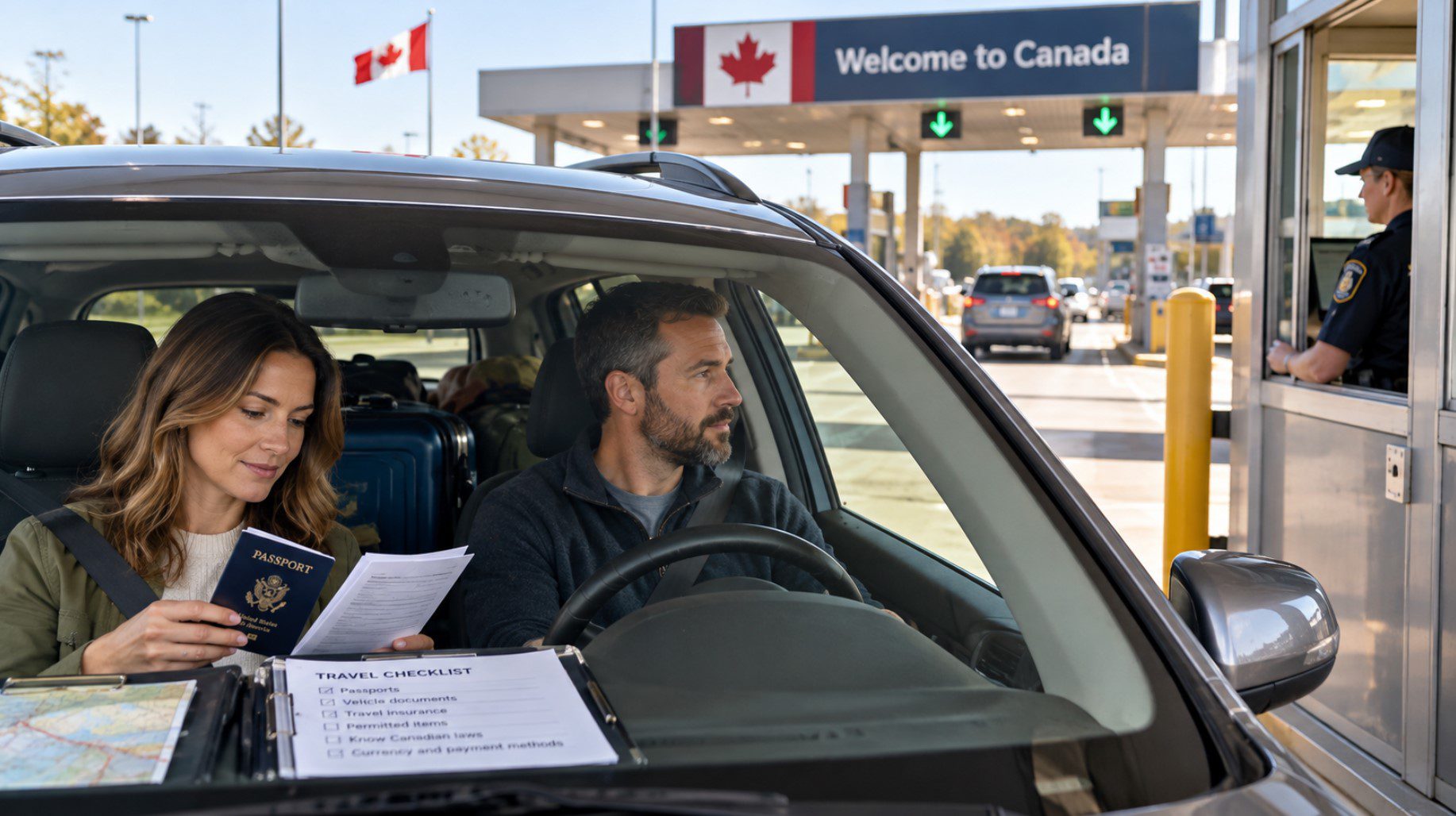
A trip from the Quad Cities to Canada can be straightforward with a little preparation. Whether the plan involves exploring Ontario, spending time in Toronto, heading west toward Alberta, or simply crossing the border as part of a longer trip, travelers should remember one important point: once they enter Canada, Canadian laws apply.
The rules are similar to those in the United States in many areas, but not identical. Something that feels routine at home can create an unexpected problem at the border or during a trip. Understanding a few basics before leaving Iowa or Illinois can make the journey easier.
Quad Cities travelers considering Canada can also explore Canadian getaway ideas for Quad Cities travelers while planning their trip.
1. Remember That U.S. Law Does Not Follow You Across the Border
Crossing into another country means entering a different legal system. American travelers remain subject to Canadian federal, provincial, and local laws while they are there. The fact that an activity may be permitted in Illinois, Iowa, or another U.S. state does not necessarily mean the rules are the same in Canada.
Before traveling, it is worth reviewing the U.S. Department of State’s Canada travel guidance. It provides information about local laws, border requirements, safety, arrests, and other issues relevant to U.S. citizens visiting Canada.
2. Be Careful About What You Take Across the Border
Packing for an international trip requires more attention than packing for a domestic road trip.
Canadian authorities regulate what visitors can bring into the country, and some items must be declared. Travelers should check current rules before leaving rather than relying on assumptions based on previous trips.
Cannabis is an especially important example. Although recreational cannabis is legal in Canada, taking cannabis across the international border without the required authorization remains illegal. Travelers should therefore check bags, vehicles, and personal belongings carefully before arriving at a border crossing.
3. Firearm Rules Require Particular Attention
Firearm laws are another area where travelers should never assume Canadian requirements match those at home.
Someone who legally owns or carries a firearm in the United States may still face very different rules when attempting to enter Canada. Firearms and other weapons may be restricted or prohibited, and declaration requirements can apply.
For most ordinary vacationers, the safest approach is to research the requirements well before departure rather than making decisions at the border. This is particularly important for people taking long road trips who routinely keep hunting equipment or other regulated items in their vehicle.
4. If Legal Trouble Occurs, Seek Advice in the Right Jurisdiction
No traveler expects to need legal assistance while away from home, but knowing what to do can prevent an already stressful situation from becoming more confusing.
If someone is detained, questioned about a serious matter, or charged with an offence in Canada, the legal process will be governed by Canadian law. Advice from a lawyer familiar only with Illinois or Iowa law may therefore not answer questions about Canadian criminal proceedings.
Location matters as well. Someone dealing with a criminal matter in Ontario, for example, may need advice from a criminal lawyer Mississauga or another Canadian lawyer who practises in the jurisdiction where the issue occurred. The important point is not to assume that legal procedures, possible outcomes, or terminology work exactly as they do in the United States.
5. Driving Rules Can Change After You Cross the Border
A road trip into Canada can feel familiar, but drivers still need to pay attention to differences. Road signs display speed limits in kilometres per hour rather than miles per hour. Provincial rules can also affect issues such as distracted driving, seat belts, winter equipment, insurance, and roadside procedures.
Before a long drive, travelers should make sure their insurance provides appropriate coverage in Canada and confirm what documents they should carry. Drivers should also resist the temptation to rely entirely on what they remember from previous visits. Regulations can change.
6. Be Honest With Border Officials
Border crossings are not the place to guess, hide information, or hope an item will go unnoticed. Travelers may be asked about the purpose of their visit, how long they intend to stay, what they are carrying, and other details relevant to admission.
If an item must be declared, declare it. If you are uncertain whether something is permitted, check before traveling or ask the appropriate border authority. Being prepared also means having travel documents accessible instead of searching for them when reaching the inspection point.
7. Know Who to Contact if Something Goes Wrong
Before an international trip, save important contact information somewhere that can be accessed even if a phone is lost or damaged. That can include emergency contacts, insurance information, accommodation details, and relevant government assistance numbers.
U.S. citizens who are arrested or detained abroad can also request that local authorities notify the appropriate U.S. embassy or consulate. Having that information prepared does not mean expecting trouble. It is simply the international-travel equivalent of carrying roadside assistance information during a long drive.
Conclusion
Canada can be an appealing destination for Quad Cities travelers, whether the trip involves a major city, a quieter community, or a longer road adventure. The legal side of the journey usually requires little more than sensible preparation.
The key is remembering that crossing an international border also means crossing into another legal jurisdiction. Check current entry rules, understand what can and cannot cross the border, pay attention to Canadian driving and firearm requirements, and seek local legal guidance if a serious issue develops.