
How to Create a Low-Maintenance Garden That Thrives in the Midwest
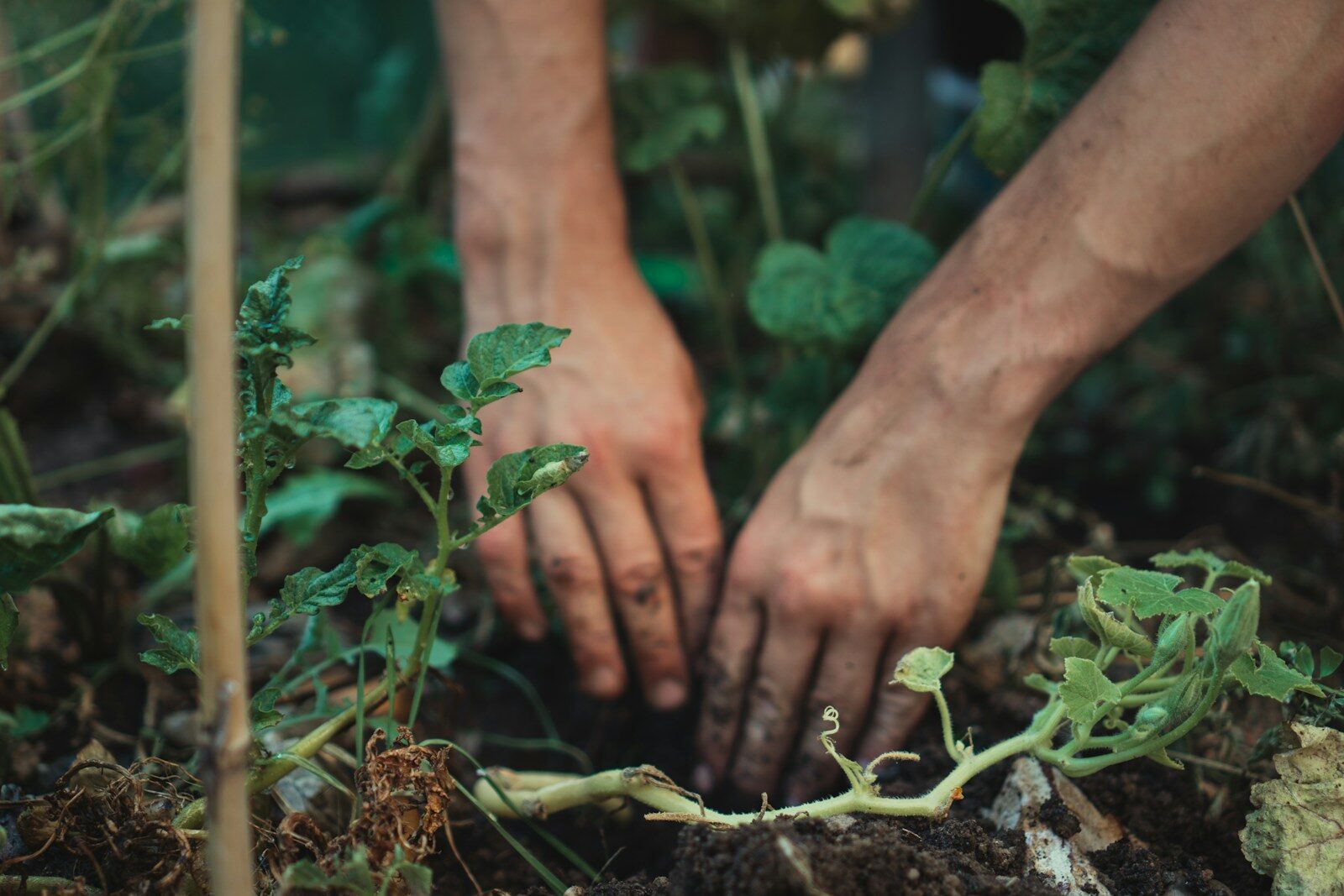
A beautiful garden doesn’t have to mean spending every weekend pulling weeds, watering plants, or tackling endless maintenance tasks. With the right approach, you can create an outdoor space that looks attractive throughout the growing season without demanding too much of your time.
For homeowners in the Quad Cities and surrounding Midwest, gardening comes with particular challenges. Hot, humid summers, freezing winters, unpredictable rainfall, and changing soil conditions can make garden maintenance difficult.
Fortunately, choosing suitable plants and planning your space carefully can cut down on much of the work.
Here’s how to create a low-maintenance Midwest garden that handles the region’s changing seasons while giving you more time to enjoy your outdoor space.
Start by Understanding Your Garden’s Conditions
Midwestern gardens can experience everything from heavy spring rainfall to prolonged summer dry spells. Soil conditions also vary considerably, even between neighboring properties.
Pay attention to three important factors:
- Sunlight: Identify areas that receive full sun, partial shade, or little direct sunlight.
- Soil type: Check whether your soil is sandy, clay-heavy, or well-draining.
- Drainage: Notice where water collects after heavy rainfall and which areas dry out quickly.
Instead of spending time and money trying to change every growing condition, choose plants naturally suited to your space. This approach reduces the need for constant watering, soil amendments, and replacing struggling plants.
Choose Hardy Plants That Can Handle Midwest Weather
Native plants are particularly useful because many are adapted to regional weather patterns and growing conditions. Once established, suitable native perennials often need less supplemental watering than plants poorly matched to the site.
Consider these options for your Midwest garden:
Purple Coneflowers
Purple coneflowers are popular for their colorful blooms and ability to tolerate periods of dry weather once established. They grow well in sunny locations and attract pollinators.
Black-Eyed Susans
These cheerful yellow flowers bring color to garden beds during summer. They generally prefer sunny conditions and work well alongside other hardy perennials.
Little Bluestem
This native ornamental grass provides texture throughout the growing season and develops attractive coppery tones in autumn.
Wild Geranium
In partial shade, wild geranium offers attractive foliage and spring flowers. It works particularly well beneath trees where conditions are suitable.
Choose plants based on their mature size and moisture requirements. Even hardy species need watering and attention while their roots become established.
Make Seed Selection Part of Your Garden Planning
Starting plants from seed can be a rewarding way to build your garden, especially when you’re planning larger planting areas or experimenting with different varieties.
However, not every seed suits Midwest growing conditions. Some plants need a long, warm growing season, while others tolerate cooler temperatures.
Check seed descriptions for growing requirements, expected plant size, and whether you need to start indoors.
Specialist retailers such as Grower’s Choice Seeds focus on particular seed categories, making it important to understand what a supplier offers before choosing products.
For example, Grower’s Choice Seeds specializes in cannabis seeds rather than conventional flower and vegetable seed collections. Anyone considering this category should check applicable state and local cultivation laws before purchasing or planting.
For typical landscaping, local native plant nurseries and regional seed suppliers are usually better sources.
Regardless of the plants you select, avoid buying more seeds than your available space can accommodate.
Reduce Watering With Smart Garden Design
Watering can quickly become one of the most demanding garden chores, especially during hot Midwest summers. Fortunately, a few practical design decisions can reduce how frequently your plants need attention.
Start by grouping plants with similar watering requirements. Keep moisture-loving varieties together and place drought-tolerant plants where they receive less water.
This prevents situations where one plant needs frequent watering while its neighbor struggles with overly damp soil.
Mulching is another effective approach. Adding a layer of shredded bark or other suitable organic mulch around established plants helps retain soil moisture and suppress weeds.
Leave some space around plant stems to reduce the risk of moisture-related problems.
For homeowners with larger gardens, drip irrigation can provide water directly to the soil near plant roots.
Keep Weeds Under Control Without Constant Work
Weeding might never disappear entirely from your gardening routine, but thoughtful planning can make it considerably easier.
One common mistake is leaving large gaps between plants. These exposed areas give unwanted weeds plenty of room to establish themselves.
Instead, consider planting suitable groundcovers or grouping perennials to gradually fill the space.
A few additional strategies include:
- Apply mulch to suitable bare soil between plants.
- Remove weeds before they flower and produce seeds.
- Avoid disturbing soil unnecessarily, which can expose buried weed seeds.
- Inspect garden beds regularly so small problems don’t become overwhelming.
The key is to deal with weeds early rather than letting them become deeply established.
Create a Simple Seasonal Maintenance Routine
A low-maintenance garden still needs occasional attention. However, spreading tasks throughout the year makes the workload more manageable.
- Spring: Remove damaged growth where necessary, inspect mulch, and check for plants affected by winter weather. This is also a good time to plan new additions.
- Summer: Monitor soil moisture, water during prolonged dry periods, and remove troublesome weeds. Check newly planted flowers more frequently.
- Autumn: Plant suitable perennials, collect unwanted weed growth, and prepare sensitive plants for colder temperatures. Consider leaving healthy native plant stems standing to provide wildlife habitat.
- Winter: Take a break from most outdoor maintenance. Use the quieter months to assess what worked and plan improvements for the following growing season.
Avoid cutting everything back automatically. Some perennial stems and seed heads provide shelter and food for wildlife during colder months.
Conclusion
Creating a low-maintenance garden in the Midwest means working with your environment rather than constantly fighting it.
Choosing hardy plants, understanding your soil, improving watering practices, and preventing weeds can significantly reduce the work involved in maintaining an attractive outdoor space.
For Quad Cities homeowners, native perennials and practical garden layouts offer an excellent starting point. Start with a manageable area, choose plants suited to its conditions, and give them time to establish before expanding.
Most importantly, remember that low-maintenance gardening doesn’t mean eliminating every task. It means making thoughtful decisions that reduce unnecessary work.
With a little planning and patience, your garden can become a welcoming outdoor space that handles the Midwest’s changing seasons without taking over your weekends.