
From River Trade to Modern Money: How the Mississippi Shaped American Commerce
For farmers across the continent’s interior, geography once posed a stubborn problem: crops had value only if they could reach distant buyers. The Mississippi River, draining an enormous stretch of land from Ohio to Minnesota and beyond, offered the only practical route to market.
That route created a commercial corridor through St. Louis, Memphis, New Orleans, and the productive valley connecting them. Corn, cotton, pork, and whiskey moved downstream, while money, credit, and manufactured goods had to find their way back.
The central puzzle of how the Mississippi shaped American commerce therefore reaches beyond boats and cargo. How did sending agricultural goods downriver influence where financial power gathered, how merchants settled debts, and what Americans trusted as money?
What the Mississippi Actually Did for Trade
The Mississippi River shaped commerce in three direct ways. It pointed inland production toward a single ocean port, concentrated merchants and financial institutions in river cities, and forced Americans to develop payment methods that could work across long distances.
Control over New Orleans was a major reason for the Louisiana Purchase in 1803. The city commanded the river’s mouth, which meant that whoever controlled the port could influence the access, costs, and terms faced by upstream farmers. Securing it gave producers throughout the interior a dependable route to international markets.
That basic geography hasn’t changed. The Mississippi River basin still gathers agricultural output from a vast inland region and funnels bulk cargo toward Gulf ports. Modern equipment has transformed river trade, but the direction remains familiar: commodities flow south, and payments flow back to producers, carriers, and lenders.
Flatboats, Keelboats and the Age of Steam
Before powered vessels arrived, the river operated like a conveyor belt that ran in one direction. Its current moved heavy cargo south efficiently, but returning boats, crews, and sale proceeds upstream was slow and expensive.
The One-Way Downriver Economy
A flatboat was essentially disposable. Builders assembled it upstream, loaded it with grain, pork, whiskey, or other produce, and floated it to New Orleans. Because the boxy craft couldn’t be poled effectively against the current, merchants often dismantled it at the destination and sold the timbers as lumber.
A keelboat could travel upriver, but crews had to pole, row, tow, or warp it forward. Progress could fall to walking pace, making upriver freight far more expensive than downriver carriage. Many flatboat crews simply walked home overland after delivering their cargo.
This pattern shaped life along the river as well as business. A merchant’s working capital could remain tied up for an entire season while goods traveled, sold, and generated payment.
How Steam Power Changed Credit Cycles
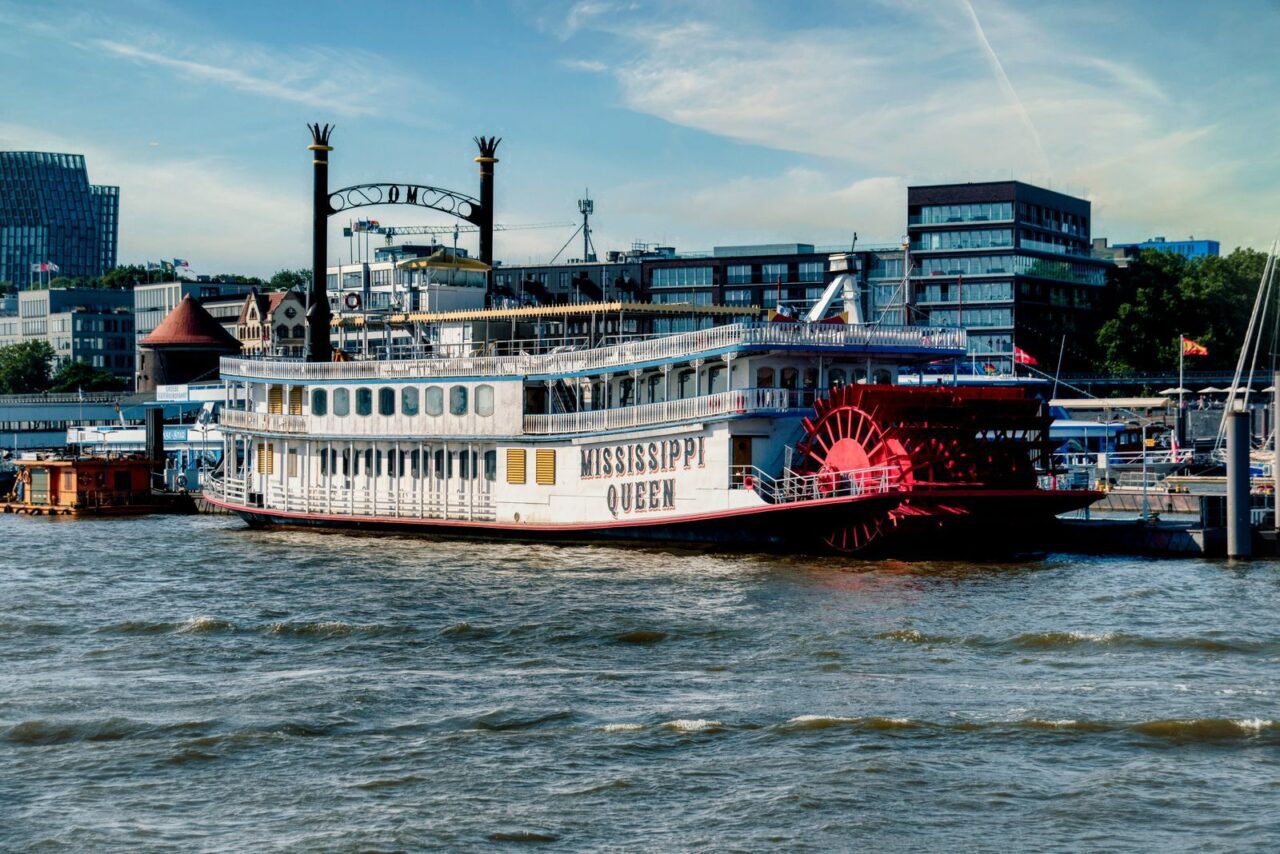
The steamboat turned the Mississippi into a two-way commercial route. Vessels could carry manufactured goods upstream under their own power, reducing a journey of months to one measured in weeks. River cities no longer depended on improvised return trips to reconnect buyers and sellers.
Speed also changed credit. When sales proceeds returned sooner, merchants didn’t need to finance each shipment for an entire season. They could offer shorter credit periods, recycle capital more frequently, and align crop financing more closely with actual shipping schedules.
Accordingly, steam power solved more than a transportation problem. It shortened the time between shipment, sale, and settlement.
Paying for Goods in a Cash-Poor Corridor
A flatboat full of pork might reach New Orleans in six weeks, yet payment from that sale faced a different journey. Money had to travel through a country without a uniform national paper currency, where the value of a note could change from one town to the next. Moving goods was difficult, but moving trustworthy value was harder.
Barter, Bills of Exchange and Wildcat Notes
Early settlements relied heavily on barter and book credit. Pork, whiskey, lead, and cotton could serve as payment or as units for recording debts. The arrangement kept local business moving, but it became awkward when merchants traded across several states.
Bills of exchange offered a paper solution. A merchant could use proceeds from a New Orleans sale to settle a Pittsburgh debt on paper without physically carrying the entire payment. However, the bill’s value depended on the reputation of the person or institution responsible for it. Discounts grew as a bill moved farther from an issuing house that traders recognized.
Banknotes created another layer of uncertainty. Before the Civil War, state-chartered banks issued their own paper, including notes from remote institutions sometimes described as wildcat banks. An unfamiliar Illinois note might trade downriver at 70 cents on the dollar, while a cautious merchant could refuse it altogether.
Why Gold and Silver Coins Traveled Better
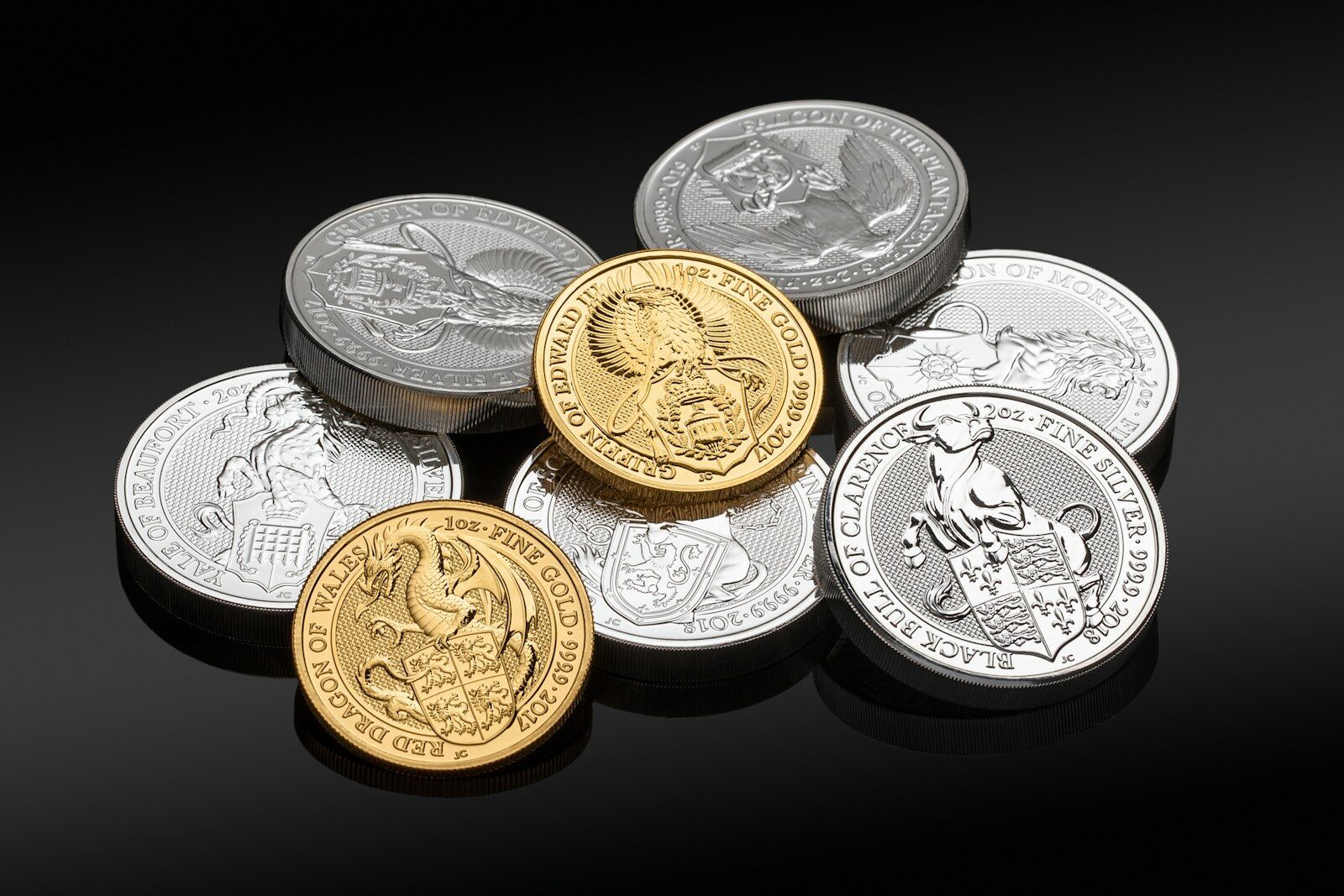
Specie worked differently. A gold or silver coin contained recognizable metal and didn’t require the recipient to know whether a distant bank could redeem it. Riverboat captains, brokers, and merchants therefore treated coinage as a common reference point when local paper carried uncertain value.
The United States Mint helped standardize that reference. The New Orleans Mint, opened in 1838, placed federal coin production beside a port where cotton, foreign bullion, and commercial payments converged. Its coins carried a stated denomination and legal tender status across state boundaries.
Historical gold eagle coins belonged to that national system and circulated during the river era. Their lineage continued even after circulating gold left everyday commerce, and readers tracking current specifications, weights, and market pricing for American Eagle gold coins can browse Monex for those details before returning to the historical thread. Modern American Eagle gold coins remain part of the broader story of United States coinage.
The gold standard later formalized the idea that paper money should relate to a common hard-money reference. River commerce hadn’t created that policy by itself, but its persistent payment problems showed why merchants wanted money that strangers in distant cities would accept.
From Port City Banks to Digital Rails
Trade needs places where cargo can be priced, financed, insured, and settled. Along the Mississippi, those functions gathered in a short list of port cities.
New Orleans, St. Louis and Memphis as Hubs
New Orleans concentrated cotton and sugar factors, marine insurers, banks, and ocean carriers because it was where river cargo entered international shipping. Sales made there influenced prices throughout the upstream valley.
St. Louis occupied a different position. Its fur, lead, warehousing, and outfitting trades made it an inland clearing point between upper-river production and downstream markets. Commodity grading and storage allowed merchants to compare goods and negotiate prices before shipment.
Meanwhile, Memphis developed around cotton classing and brokerage. Specialists evaluated fiber, arranged credit, and connected planters with distant buyers. These clusters of brokers, warehouses, and banks anticipated formal commodity markets, where standardized grades and forward contracts gradually replaced deals based mainly on personal familiarity.
Barge Freight and Electronic Settlement
Settlement eventually left the river even though the cargo didn’t. Bills of exchange gave way to bank clearinghouses, wire transfers, card networks, and digital payments. A grain transaction can now clear electronically while the physical shipment still spends weeks moving through elevators, terminals, and ports.
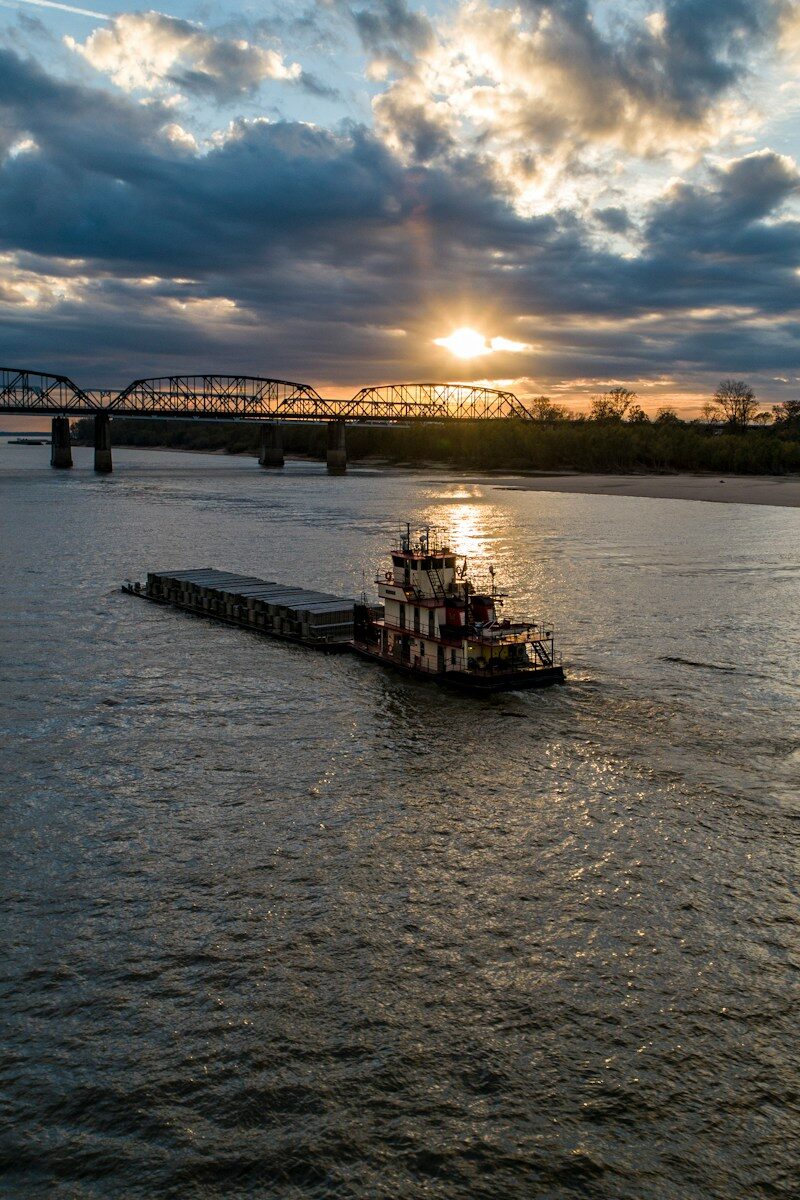
Barge freight remains effective because water can carry dense bulk cargo without requiring a separate engine for every container or trailer. Corn and soybeans still move toward Gulf ports in large quantities, following the same downhill route that once carried flatboats.
The contrast captures the modern Mississippi economy: information and payment move almost instantly, while commodities continue traveling at the pace imposed by locks, currents, loading schedules, and distance.
Why the River Still Explains American Money
The Mississippi River determined the direction of inland trade. That trade determined where merchants, banks, insurers, and brokers gathered, while the distance between producers and port buyers created a continuing need for reliable settlement.
Coinage once addressed the problem of trust by giving strangers a form of payment they could recognize without knowing its issuer. Digital systems now address the problem of speed by moving value ahead of the cargo. The technology has changed, but the underlying commercial pattern remains visible whenever barges carry the interior’s harvest toward the Gulf.